
Payment Guide
How to Pay in China (2026 Updated)
Complete guide for first-time tourists using Alipay, WeChat Pay, credit cards, and cash in China.
Payment Guide
Complete guide for first-time tourists using Alipay, WeChat Pay, credit cards, and cash in China.

Planning your first trip to China? You may have heard that China is almost cashless and that local shops prefer QR code payments over credit cards.
That is true, but it does not mean foreign tourists cannot pay in China.
Here is the good news for 2026: paying in China as a foreigner is much easier than it used to be. You can use mobile payment apps, link international cards, withdraw RMB cash, and still use Visa or Mastercard in many travel-related scenarios.
The key is not choosing only one payment method. The safest approach is to prepare a main payment method and at least one backup before you arrive.
⚠️ 提示: Do not rely only on an international credit card. For daily spending in China, mobile payment is usually more reliable than direct card payment.
Mobile payment is the main way people pay in China. Restaurants, supermarkets, taxis, subway systems, tourist attractions, and small shops often use QR codes.
For first-time tourists, the two most important apps are Alipay and WeChat Pay.
If you only want to prepare one app before your trip, start with Alipay. It is usually easier for foreign visitors because the interface is clearer and it works well with many travel scenarios.
Alipay is one of the most recommended payment apps for foreign tourists in China.
It supports international phone numbers, passport verification, and foreign bank cards from major networks such as Visa, Mastercard, JCB, Discover, and Diners Club, depending on your card issuer.
Step-by-Step Guide:
Best for:
⚠️ 提示: Set up Alipay before you fly to China. It is easier to handle SMS verification, bank security checks, and passport verification while you still have stable access to your home phone number and bank app.
WeChat is China's most important social and service app. WeChat Pay is built inside WeChat.
For tourists, WeChat Pay is especially useful when restaurants, attractions, or local services use WeChat Mini Programs.
Step-by-Step Guide:
Best for:
⚠️ 提示: WeChat Pay is useful, but for many first-time visitors, Alipay is usually more straightforward as the main payment app.
If you are visiting China for the first time, the best setup is simple.
Use Alipay as your main payment method and prepare WeChat Pay as a backup.
Alipay is often easier for transport, ride-hailing, and quick payments. WeChat Pay is useful when a restaurant or attraction requires a WeChat Mini Program.
⚠️ 提示: In 2026, small transactions under 200 RMB are commonly fee-free on Alipay and WeChat Pay when using foreign cards. A service fee may apply to single transactions above 200 RMB. Your home bank may also charge foreign transaction fees.
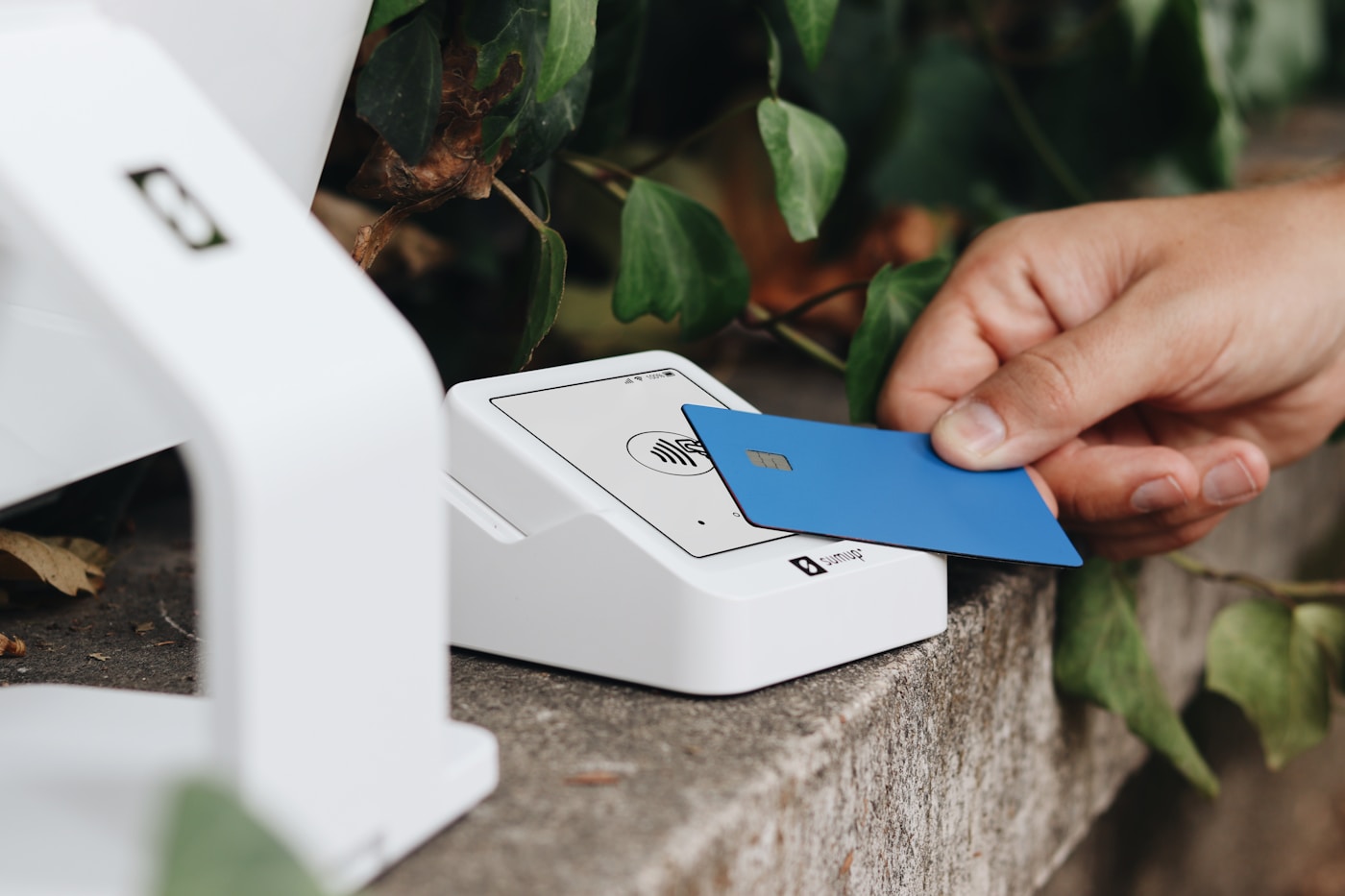
Can you travel in China using only Visa, Mastercard, or American Express?
In some places, yes. But for daily spending, no.
International credit cards are most useful for hotels, airports, major train stations, and high-end shopping malls. They are much less reliable at small restaurants, taxis, street markets, and convenience stores.
⚠️ 提示: Even if your card is accepted at hotels or airports, it may fail at everyday local merchants. Link your card to Alipay or WeChat Pay for better daily payment coverage.

Yes. Cash is still accepted in China.
RMB cash is legal tender, and merchants are not supposed to refuse it. However, because most local people use mobile payments, some small shops may not have enough change for large notes.
This means cash is useful, but it should be treated as a backup rather than your main payment method.
⚠️ 提示: For a short trip, carrying around 300-800 RMB in small notes is usually enough as emergency backup. Avoid carrying too much cash.
If you are traveling from certain Asian countries or regions, your local e-wallet may already work in mainland China through the Alipay+ network.
This means you may be able to scan Alipay QR codes using your home-country wallet without downloading a separate Chinese payment app.
Availability depends on your wallet provider, country, and merchant support.
⚠️ 提示: Even if your home e-wallet supports Alipay+, still prepare Alipay, WeChat Pay, or cash as a backup. Not every merchant or travel scenario will work the same way.
No. You can register and use Alipay with your home-country phone number.
You only need to make sure you can receive SMS verification codes and access mobile data or Wi-Fi while traveling.
Yes. Foreigners can use WeChat Pay by registering WeChat, activating Wallet, linking an international card, and completing identity verification.
However, some visitors may find WeChat Pay less intuitive than Alipay for first-time setup.
First, contact your bank or card issuer.
Some banks block overseas transactions for security reasons. Before traveling, tell your bank that you will use your card in China through Alipay or WeChat Pay.
You should also prepare a second card and a small amount of RMB cash.
⚠️ 提示: Do not wait until you arrive in China to test your only payment method. Set up and test your payment apps before departure.
Usually not for daily payments.
Apple Pay and Google Pay may work at a few international chains or hotels, but they are not widely used in China's QR-code payment system.
For daily spending, Alipay and WeChat Pay are much more useful.
Usually yes.
Many Chinese cities support subway or bus transit codes inside Alipay. Alipay also works with Didi, China's major ride-hailing service.
Some cities may require you to activate a local transit card inside the app first.
No. China is highly mobile-payment focused, but cash is still legal tender.
The practical issue is not whether cash is legal. The issue is whether the merchant has enough change.
The safest setup is:

Payment is only one part of preparing for China.
First-time visitors also need to think about visa rules, internet access, transport, hotel booking, translation apps, food ordering, and city-specific travel planning.
If you want a smoother trip, prepare your payment setup before departure and keep a simple backup plan for every major travel scenario.
Need help preparing for your China trip?
Get a personalized pre-trip checklist, payment setup guidance, or a custom China travel plan designed for first-time visitors.